
The Hidden Toll: Physician Burnout and the Future of Maternal Health
A new report reveals alarming rates of burnout among O&G trainees, impacting patient safety. Discover how systemic stress threatens maternal care, especially…

The journey to motherhood is often envisioned with anticipation and joy, supported by dedicated medical professionals. Yet, a stark warning from medical regulators reveals a silent crisis threatening the very bedrock of maternal care: widespread burnout among obstetrics and gynaecology (O&G) trainees. This isn't merely an occupational hazard; it's a systemic vulnerability directly jeopardising patient safety and undermining the quality of life-saving services.
A System Under Strain
According to a recent national training survey by the General Medical Council (GMC), O&G trainees are reporting significantly higher rates of exhaustion, sleep deprivation, and hesitation to escalate critical patient concerns compared to their peers in other medical specialties. A staggering 70% of these frontline doctors are at moderate to high risk of burnout, a sharp rise from the 61% average across all medical fields. Equally troubling, one in three O&G trainees regularly suffer from sleep deprivation, and a similar proportion feel apprehensive about approaching senior colleagues with patient concerns—figures nearly 50% higher than the general trainee population.Charlie Massey, head of the GMC, underscores the gravity of these findings: "Having doctors who feel they cannot speak up could have a critical impact on patients." He highlights that when things go wrong in healthcare, it is "very often because of failures in terms of culture and leadership."
Echoes of Experience
These statistics resonate deeply with former obstetrician Adam Kay, author of the bestselling "This is Going to Hurt." Having left medicine after a traumatic birth incident in 2010, Kay describes the report as "miserable reading," lamenting that "nothing has been done" to improve the workplace culture that isolates doctors and denies them crucial support after harrowing experiences. His account paints a picture of systemic neglect where debriefing, counselling, or even time off are often absent, leaving practitioners to "just get on with it." This institutional indifference, he suggests, remains largely unchanged despite over a decade passing.The Global / Africa Angle
For our "Longevity Pulse" audience in Global / Africa, this report carries profound implications. Maternal mortality rates across many African nations remain disproportionately high, often exacerbated by stretched healthcare infrastructures, limited resources, and an immense burden on fewer, highly skilled specialists. In such environments, the consequences of physician burnout in O&G can be even more acute.An O&G team operating under extreme stress, sleep deprivation, and a culture of silence is less equipped to handle the complex, often time-sensitive emergencies inherent in childbirth. This directly impacts patient outcomes, potentially increasing adverse events and contributing to already challenging maternal and neonatal health statistics. For health-conscious professionals committed to evidence-based preventative living, ensuring the resilience and well-being of our healthcare providers is a critical dimension of public health. Investing in supportive environments, mental health resources, and fair working conditions for O&G specialists is not just an ethical imperative; it's a strategic investment in the health of mothers, children, and the future generations of our continent. It strengthens trust in medical systems and supports the foundational pillar of community well-being.
Paving the Way for a Healthier Future
The findings are a clarion call for urgent, systemic reform. Creating environments where healthcare staff are supported, listened to, and empowered to raise concerns is paramount. This requires leadership commitment to cultural transformation, adequate staffing levels, and robust mental health support systems. Ensuring the well-being of our doctors is not an optional luxury; it is a fundamental prerequisite for delivering safe, high-quality maternal care and fostering a resilient healthcare system capable of sustaining long-term population health.Source: BBC Health

Sleep's Silent Sentinel: Why Immediate Treatment of Sleep Disorders Trumps Waiting on Alzheimer's Biomarkers
Discover why addressing treatable sleep disorders now is crucial for cognitive health and Alzheimer's prevention, offering immediate benefits beyond future…

The Smart Fast: How Fasting Mimicry Rewrites Your Healthspan
Discover how the Fasting Mimicking Diet (FMD) can unlock cellular rejuvenation, enhance metabolic health, and extend your healthspan. Evidence-based strategies

Free SAD lamps given out as disorder 'makes it hard to do anything on darker days'
Free SAD lamps given out as disorder 'makes it hard to do anything on darker days' Published - Does your mood drop in the winter? The clocks have gone

Beyond Longevity: Why Global Social Care Demands Immediate Attention
Governments are 'asleep at the wheel' on social care, risking future well-being. Health-conscious professionals need proactive, evidence-based planning for…
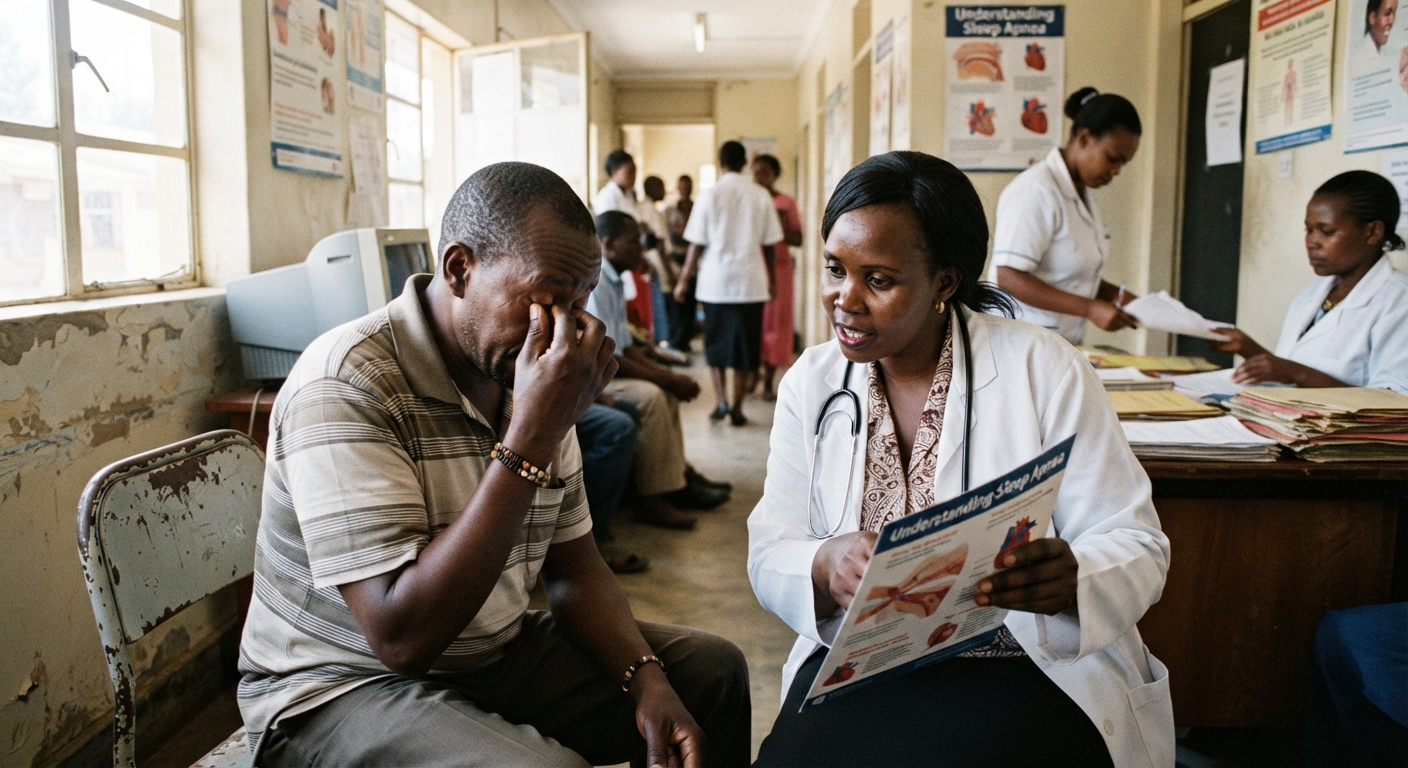
The Silent Fire: Unpacking Sleep Apnea's Inflammatory Threat to Your Longevity
Discover how Obstructive Sleep Apnea fuels chronic inflammation, impacting longevity. Learn why biomarkers matter for early detection and preventative health…
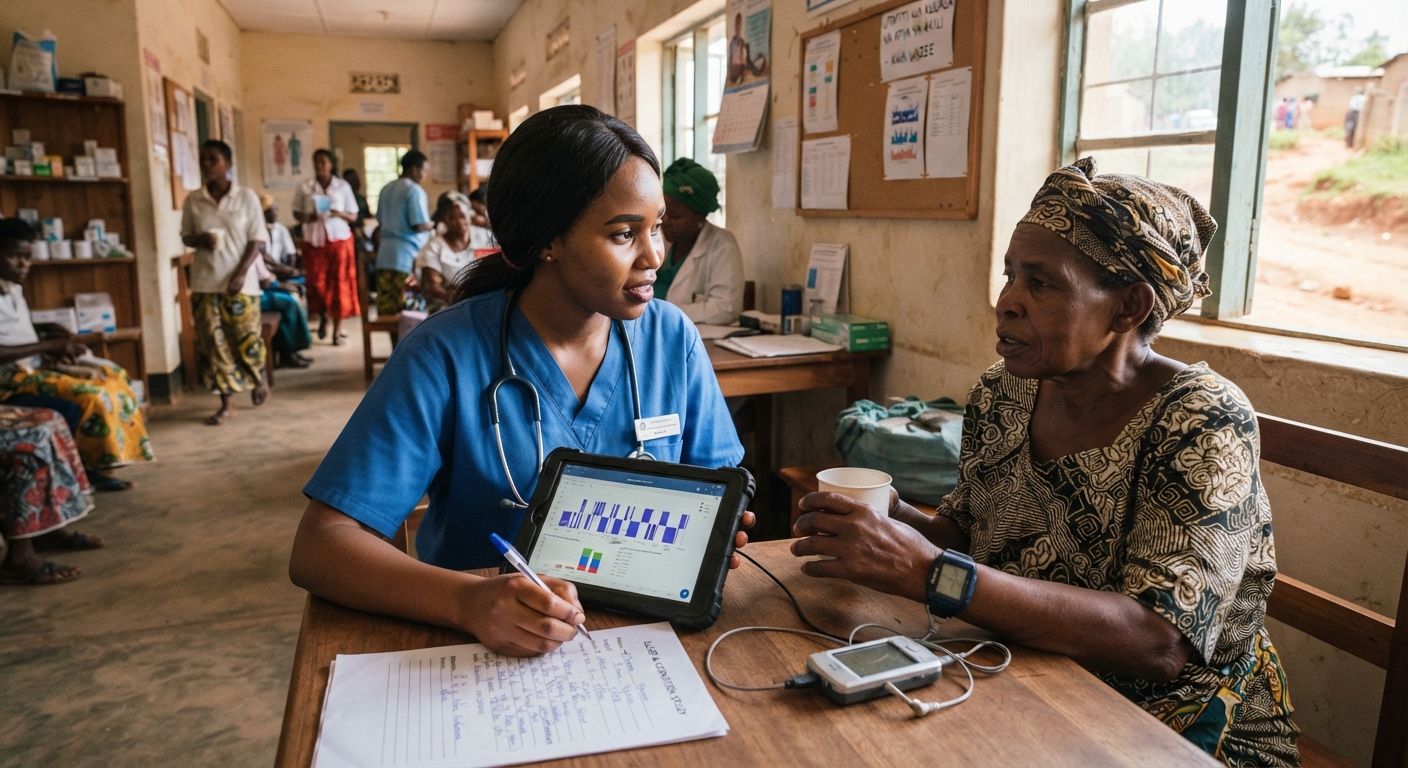
The Sleep-Dementia Nexus: New Research Unlocks Pathways to Brain Longevity
New research explores the critical link between sleep quality, inflammation, and dementia risk. Discover how this study can inform your preventative living…
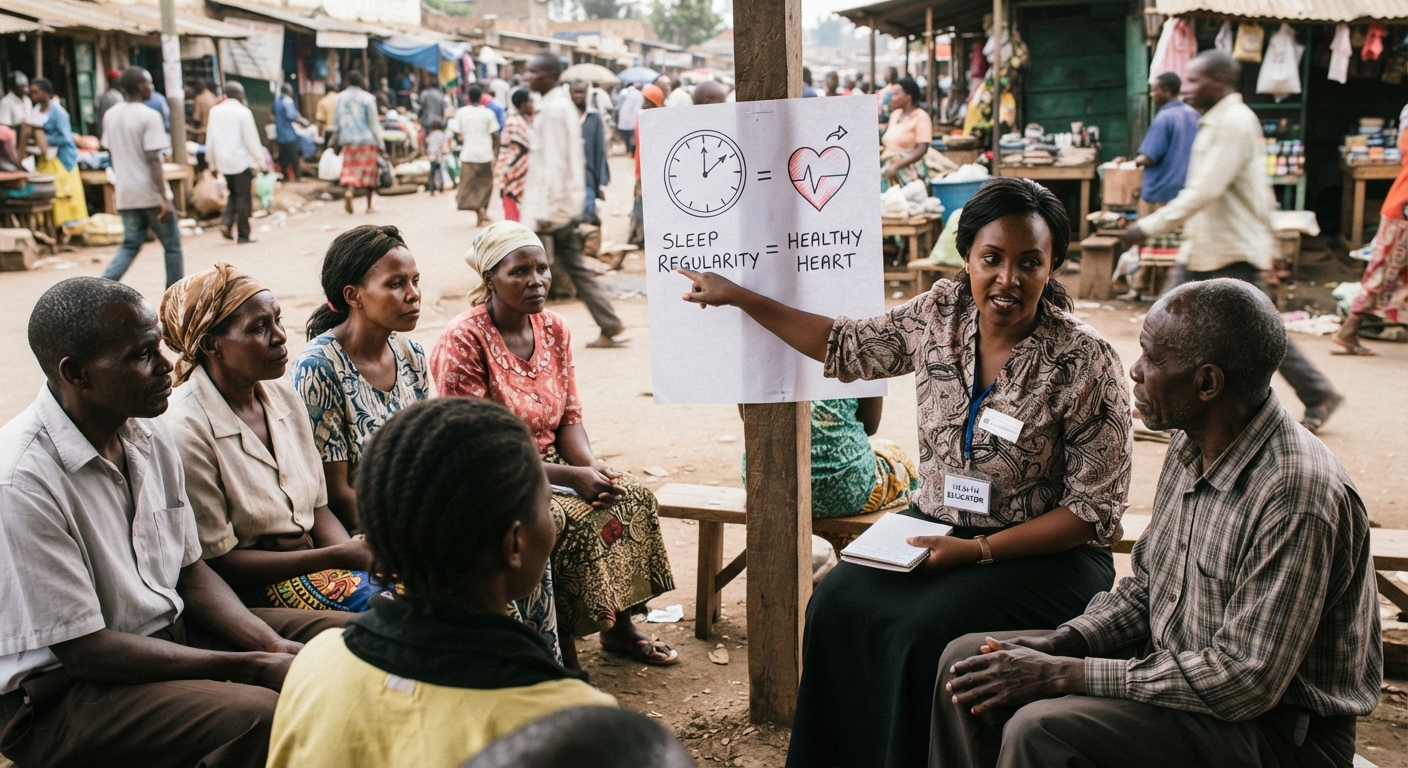
Clockwork Hearts: New Study Reveals Consistent Bedtime is Your Best Bet for Cardiac Wellness
New research on 100,000 adults reveals maintaining a consistent bedtime is more vital than sleep duration for reducing heart disease risk. Learn why.